


How to Interview With The Predictive Index
Learn how hiring with The Predictive Index changes interviews by defining the role first, using assessments earlier, and reducing risk before decisions are made.
Reading Time: 8 minutes
Nearly half of all new hires leave within the first 18 months. That statistic alone should make any business leader pause. The cost of a wrong hire goes beyond wasted recruitment fees and onboarding expenses. It hits morale, delays projects, and forces managers back into the hiring cycle sooner than expected.
What is striking is the mismatch between how hiring decisions are made and why people ultimately leave. Research shows that only about 25 percent of hiring decisions are based on behaviour, yet 75 percent of firing decisions are because of it. In other words, companies often hire for skills but end up firing for fit.
This disconnect explains why so many organisations struggle with retention. A CV can tell you about someone’s experience, but it will not reveal how they handle pressure, make decisions, or collaborate within a team. These behavioural traits are often the deciding factors in whether someone succeeds or fails in a role.
The Predictive Index (PI) offers a data-driven way to close this gap. But to use it effectively, assessments should not be bolted on at the end of the process. Too often, companies use them only as a final check, confirming a decision that has already been made. If the assessment flags concerns at that late stage, what happens next? Do you ignore the data, or start the process again?
This blog explores how organisations can recruit smarter with The Predictive Index by following a structured approach: the Recruitment Optimisation Framework. This framework focuses on four stages, Align, Attract, Assess, and Advance, and shows how PI can support better decisions at every step.
The Predictive Index (PI) is a talent optimisation platform that helps organisations make data-driven decisions about hiring and team design. It includes behavioural and cognitive assessments that give insight into how people work, what drives them, and how they are likely to collaborate with others. By understanding these patterns, leaders can hire more effectively, build stronger teams, and align talent with business strategy.
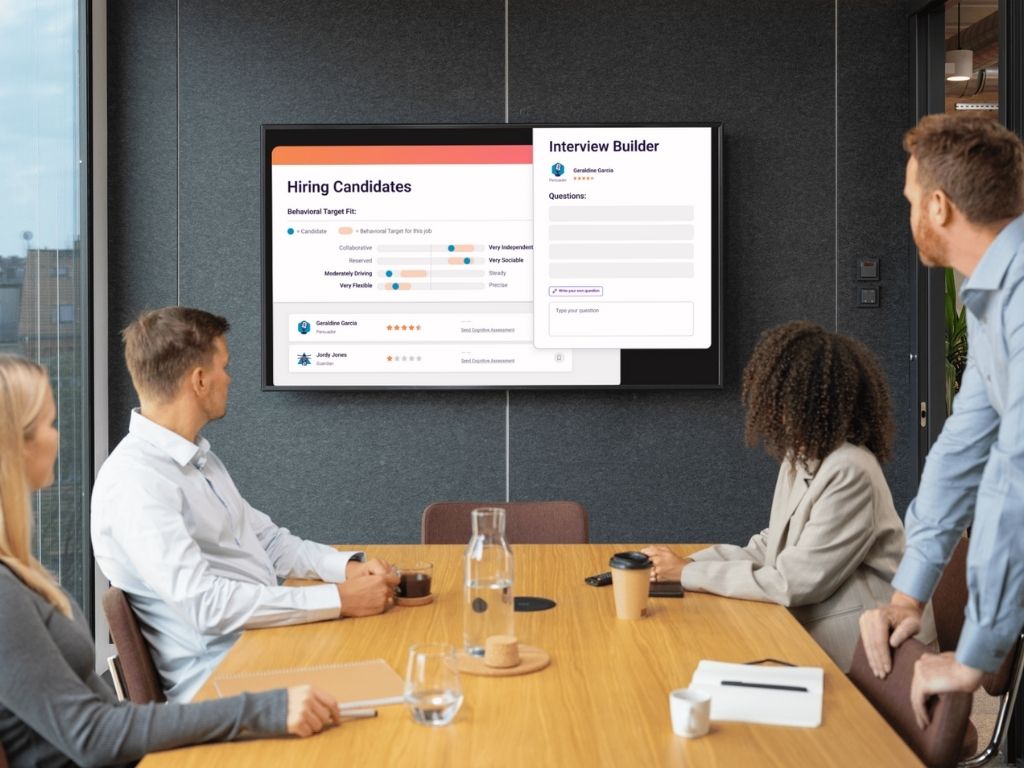
When a new hire does not work out, the reason is rarely a lack of technical skill. It is almost always a mismatch in how that person behaves, communicates, or responds to the demands of the role. That is why 75 percent of terminations are behaviour-related, despite behaviour only being considered in around 25 percent of hiring decisions.
The problem is not that organisations do not care about behaviour. It is that they often lack a structured way to measure it. Hiring teams rely on interviews, gut feel, or references to assess fit, but these methods are inconsistent and heavily influenced by bias. The result is a cycle of preventable mis-hires and early exits.
This is where data makes the difference. Behavioural and cognitive assessments provide a reliable way of understanding a candidate’s natural drives, decision-making style, and learning speed. For example, does the role require someone who thrives on structure, or someone who can adapt quickly to change? Without this level of insight, businesses risk hiring people who look right on paper but struggle in practice.
Arla Foods demonstrated this in their F15 graduate programme by integrating behavioural and cognitive assessments at the start of their process. By doing so, they built clarity about which candidates aligned with the role requirements and reduced wasted time later in the funnel. This illustrates how PI data helps organisations focus on fit from the very beginning.
Behaviour is not a nice-to-have in recruitment. It is the foundation for retention, productivity, and long-term growth. Ignoring it may feel faster in the short term, but it is also why nearly half of new hires fail.
Take the 4-step audit based on the Recruitment Optimisation Framework.
STAGE 1: ALIGN
STAGE 2: ATTRACT
STAGE 3: ASSESS
STAGE 4: ADVANCE
Fix your process in 20 minutes.
Recruitment Optimisation is a structured way to connect hiring decisions with business strategy. It focuses on four stages: Align, Attract, Assess, and Advance. Each stage addresses a common challenge in recruitment, from hiring for the wrong outcomes to losing new hires too soon. By applying this cycle, organisations can ensure they have the right people in the right seats to deliver on business goals.
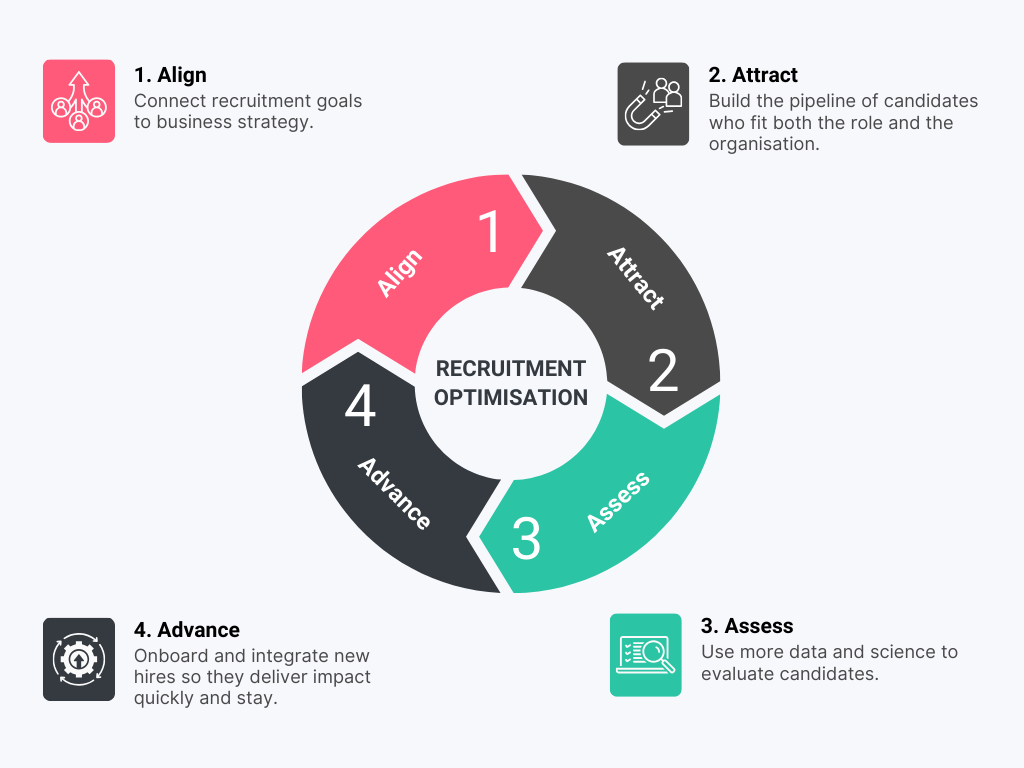
1. Align: Define Success Before Hiring
Most recruitment mistakes happen before a candidate has even applied. Roles are poorly defined, stakeholders are not aligned, and businesses hire quickly to fill a gap rather than strategically for the future.
The PI Job Assessment creates a behavioural and cognitive target for the role by gathering input from stakeholders. This ensures that everyone agrees on what success looks like before the hiring process begins. In Arla’s graduate programme, this step helped define the ideal behavioural profile for leadership-track roles, avoiding confusion and conflicting expectations.
Why it matters: Without alignment, you risk hiring quickly for short-term relief only to see new employees leave within 18 months.
2. Attract: Build the Right Talent Pipeline
Once the job target is clear, it can be used to shape job adverts and outreach. Instead of vague phrases like “team player” or “self-starter,” adverts can be written to resonate with the specific behavioural traits needed for the role.
Candidate personas also play an important role. By mapping the motivations and drivers of your ideal hire, you create messaging that appeals to the right audience. Arla applied this in their global recruitment strategy, screening not just for qualifications but for behavioural alignment with the demands of a high-change environment.
Why it matters: Vague adverts attract the wrong applicants. Behavioural targets help you attract candidates who will thrive, saving time and reducing frustration for both candidates and hiring teams.
3 Assess: Use Data to Make Confident Decisions
This is where many companies go wrong. Assessments are often used too late, only at the final stage of recruitment. By then, decisions are influenced by bias, and assessments serve as little more than a box-ticking exercise. If the assessment suggests poor fit, it places hiring managers in a difficult position.
The better approach is to integrate assessments earlier. The PI Behavioural Assessment provides a science-backed view of how well candidates align with the role’s demands, while the PI Cognitive Assessment measures learning ability and problem-solving speed. Arla applied both at the start of their graduate funnel, ensuring only candidates with the right fit moved forward. This saved time, reduced bias, and gave clarity to both candidates and hiring managers.
Why it matters: Poor selection is the main cause of turnover. Using data early replaces guesswork with evidence and builds confidence in hiring decisions.
4. Advance: Onboard and Retain for the Long Term
Hiring does not stop at the job offer. The real test comes during onboarding, when new hires need to feel connected and supported. Without this, turnover spikes, often within the first year.
PI tools such as the Relationship Guide and Management Strategy Guide help managers understand how to communicate and motivate new hires. Team Discovery workshops provide a shared language that allows teams to work better together. In Arla’s case, the structured use of data meant that graduates not only matched the role but were set up for success from day one.
Why it matters: Onboarding is often neglected, yet poor integration is one of the top drivers of early exits. The right data makes it easier to build engagement and retention from the start.

One of the biggest errors organisations make when recruiting is leaving assessments until the very end of the process. In many cases, a candidate has already been through several rounds of interviews, and the hiring team has formed a clear opinion of who they want. The assessment is then used as a final check to validate the choice.
The problem is that by this point, bias has already influenced the decision. Managers are invested in their preferred candidate, and if the results suggest a poor fit, they face an uncomfortable choice. Do they ignore the data and proceed, or do they restart the process entirely? Either way, the assessment fails to serve its purpose.
This approach also creates a poor experience for candidates. Imagine investing weeks into a process, only to be rejected at the last stage because of an assessment that could have been completed much earlier. Not only is this frustrating, but it can also harm an employer’s reputation.
Arla Foods avoided this trap by integrating PI assessments at the very start of their recruitment funnel. This meant that every candidate moving forward had already been screened for alignment with the role requirements and company culture. By shifting assessments upfront, they saved time for both candidates and hiring managers and ensured that final stages focused only on the strongest fits.
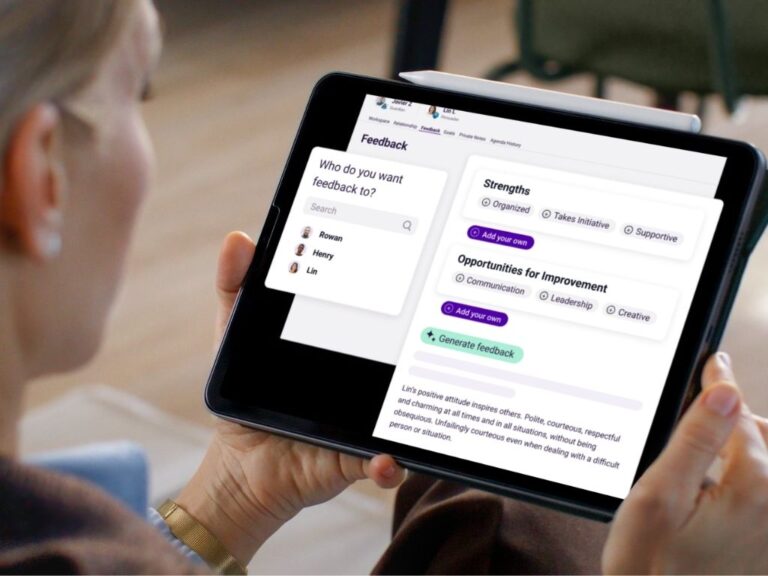
Recruitment is one of the most important investments any organisation makes, yet too often it is treated as a process of chance rather than strategy. The data is clear: nearly half of new hires leave within 18 months, and behaviour is the deciding factor in most of those exits. Companies hire for skills but end up firing for fit.
The Predictive Index offers a way to close this gap, but its impact depends on how it is used. Assessments are most powerful when they form part of a structured framework rather than being added as an afterthought. The Recruitment Optimisation Framework of Align, Attract, Assess, and Advance ensures that behaviour and cognition are considered at every stage, from defining the role to onboarding the successful candidate.
Arla Foods’ graduate programme demonstrates the benefits of this approach in practice, but the principle applies universally. By integrating behavioural and cognitive data early, organisations can reduce wasted time, improve the candidate experience, and build stronger alignment between hires and business needs.
Recruitment will always carry risk, but it does not need to be a gamble. With a structured framework and the right data, businesses can move beyond guesswork and start hiring with confidence. The result is not only fewer early exits but stronger teams, greater engagement, and more consistent business results.
Most hiring mistakes happen because the team’s needs weren’t fully understood. This article shows how to avoid that by using behavioural insight to make decisions that last.
Hiring mistakes don’t just cost money. They affect team performance, slow down progress, and knock confidence. When a hire doesn’t fit, the impact is felt across the business. It shows up in strained relationships, dropped priorities, and goals that don’t get delivered.
That’s why I focus on helping companies make hiring decisions they can stand behind. By combining the Predictive Index with strategic support, I help you understand how your team works, what kind of person will support its goals, and where things could go wrong if you get the hire wrong.
If you want to reduce risk, avoid disruption, and make your next hire a decision you don’t need to second-guess, I’d be happy to show you how it works. Contact me today, I will be happy to help.
Dave Crumby
Founder at 360 Talent Solutions
Certified Predictive Index Practitioner

Learn how hiring with The Predictive Index changes interviews by defining the role first, using assessments earlier, and reducing risk before decisions are made.

A bad hire in a high-risk role is a cost you cannot afford. Discover how to use data to find a “safe pair of hands” and build a zero-error culture.

Discover the best alternatives to DiSC for recruitment with a clear, evidence led guide. Learn which assessment providers offer reliable, job linked insight to support fair and consistent hiring decisions.

Discover how Swiss biotech companies can align hiring with business goals using data-driven people insights from The Predictive Index.
| Cookie | Duration | Description |
|---|---|---|
| cookielawinfo-checbox-analytics | 11 months | This cookie is set by GDPR Cookie Consent plugin. The cookie is used to store the user consent for the cookies in the category "Analytics". |
| cookielawinfo-checbox-functional | 11 months | The cookie is set by GDPR cookie consent to record the user consent for the cookies in the category "Functional". |
| cookielawinfo-checbox-others | 11 months | This cookie is set by GDPR Cookie Consent plugin. The cookie is used to store the user consent for the cookies in the category "Other. |
| cookielawinfo-checkbox-necessary | 11 months | This cookie is set by GDPR Cookie Consent plugin. The cookies is used to store the user consent for the cookies in the category "Necessary". |
| cookielawinfo-checkbox-performance | 11 months | This cookie is set by GDPR Cookie Consent plugin. The cookie is used to store the user consent for the cookies in the category "Performance". |
| viewed_cookie_policy | 11 months | The cookie is set by the GDPR Cookie Consent plugin and is used to store whether or not user has consented to the use of cookies. It does not store any personal data. |